
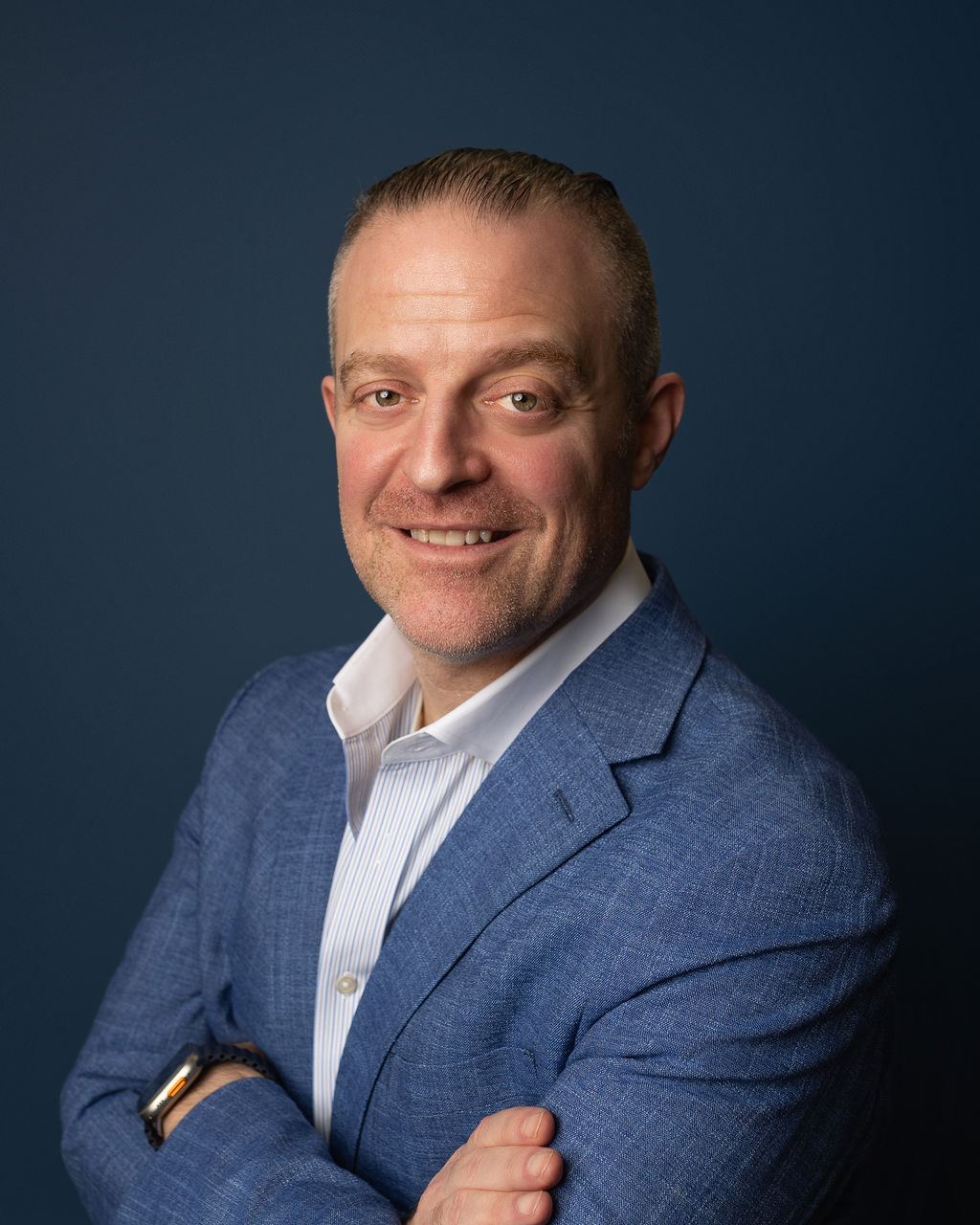
1.What is Qosina?
Qosina is a global supplier of OEM single-use components for the medical and biopharmaceutical industries. For more than four decades, we have focused on making it easier for engineers, designers and manufacturers to source the components they need to bring life-changing medical devices and therapies to market. Our goal has always been simple: provide high-quality products, exceptional service and the technical expertise our customers can always rely on.
2. What about Qosina’s work and impact makes you the most proud?
What makes me proud is knowing that the products we supply play a role in improving patient care around the world. While our name may not appear on the final medical device or bioprocessing system, our components are often critical to their performance. I’m equally proud of the relationships we have built over the years with our customers, our supplier partners and our employees. That trust is something we’ve earned over decades and it’s one of our greatest accomplishments.
3.What is on the horizon for Qosina? What is something exciting people can expect to see from the organization in the near future?
The healthcare and biopharmaceutical industries are evolving rapidly and we are evolving with them. We’re continuing to expand our portfolio of innovative single-use solutions, particularly in areas supporting bioprocessing and advanced therapies. At the same time, we’re investing in our digital capabilities, inventory and global partnerships to make it even easier for customers to find the right solutions quickly. Our focus is always on helping customers innovate faster while maintaining the quality and service they’re accustomed to from Qosina.
4.Tell us about your professional journey in the healthcare industry. How did you first get involved, and what were some of the key moments that led you to where you are at Qosina today?
I’ve spent my career leading organizations through growth, transformation and innovation. Before joining Qosina, I spent more than a decade in executive leadership roles at Essilor, where I led multiple business units, helped integrate organizations and focused on building high-performing teams while driving sustainable growth. Those experiences reinforced the importance of staying close to customers, adapting to changing markets and building organizations that can evolve alongside the industries they serve.
I joined Qosina in 2023 as Executive Vice President because I saw an opportunity to contribute to a company with an outstanding reputation and tremendous potential. From day one, I was impressed by Qosina’s deep commitment to its customers, the strength of its team and its long-standing reputation as a trusted supplier to the medical device and biopharmaceutical industries. When I became CEO in 2024, my focus shifted to building on that strong foundation while helping guide the company’s next chapter of growth.
Today, we’re continuing to invest in our people, expand our product portfolio, strengthen our supplier partnerships and enhance the customer experience. It’s an exciting time for Qosina and I’m honored to help lead a company that has earned the trust of the healthcare industry for more than 45 years.
5. What’s the biggest challenge you’ve faced as a leader and how did you navigate it?
One of the biggest challenges has been navigating constant change in the global supply chain. More recently, shifting tariffs and trade policies have required us to rethink sourcing strategies, strengthen supplier relationships and stay agile so we can continue delivering the products our customers depend on. Rather than reacting to challenges as they arise, we’ve focused on planning ahead, diversifying our supply chain where it makes sense and maintaining open communication with both our suppliers and customers. Those experiences have reinforced the importance of being adaptable while staying true to our commitment to quality, reliability and service.
6. What advice would you give to aspiring healthcare leaders who are looking to make a lasting impact?
Stay focused on solving real problems for your customers. Early on, we realized that our customers weren’t just looking for individual components—they needed a trusted partner who could help them navigate an evolving healthcare landscape. As biopharmaceutical manufacturing continued to grow, we listened to what our customers were asking for and expanded our portfolio to support those applications rather than remaining narrowly focused on traditional medical devices. That willingness to adapt to what customers actually needed, rather than what we assumed they needed, has shaped much of Qosina’s growth.
My advice is to stay curious, listen carefully and don’t be afraid to evolve. Industries change, technologies advance and customer needs shift. The companies that make a lasting impact are the ones that continue to learn, adapt and earn trust by delivering real value.
7. Outside of your career, what are some of the favorite ways to spend your time?
I enjoy spending time with my family and staying involved in the community. I’ve always believed it’s important to maintain balance and make time for the people and activities that matter outside of work. Those experiences often provide the perspective that helps you become a better leader.
8. What do you appreciate most about being part of the Medical Alley community?
Medical Alley brings together an incredible concentration of innovators, manufacturers, researchers and healthcare leaders. It’s a collaborative environment where companies share ideas, challenge one another and work toward improving patient outcomes. Being part of that ecosystem allows us to contribute while continually learning from others who are pushing the industry forward.
9. How do you see the healthcare industry evolving over the next 5-10 years?
I believe we’ll continue to see rapid advances in biologics, cell and gene therapies, personalized medicine and automation across healthcare manufacturing. Single-use technologies will play an increasingly important role because they improve flexibility, reduce contamination risks and accelerate production. At the same time, supply chain resilience and sustainability will remain major priorities, requiring companies to be more agile than ever before.
10. How can the Medical Alley community rise to face those changes and challenges?
The key will be collaboration. No single company can solve every challenge on its own. Manufacturers, suppliers, researchers, healthcare providers and regulators all need to work together to accelerate innovation while maintaining the highest standards of quality and patient safety. By continuing to invest in talent, embrace new technologies and foster partnerships, Medical Alley can remain one of the world’s leading healthcare innovation hubs.
